Lights, Camera, Princeton: How to Make Your First Community Documentary
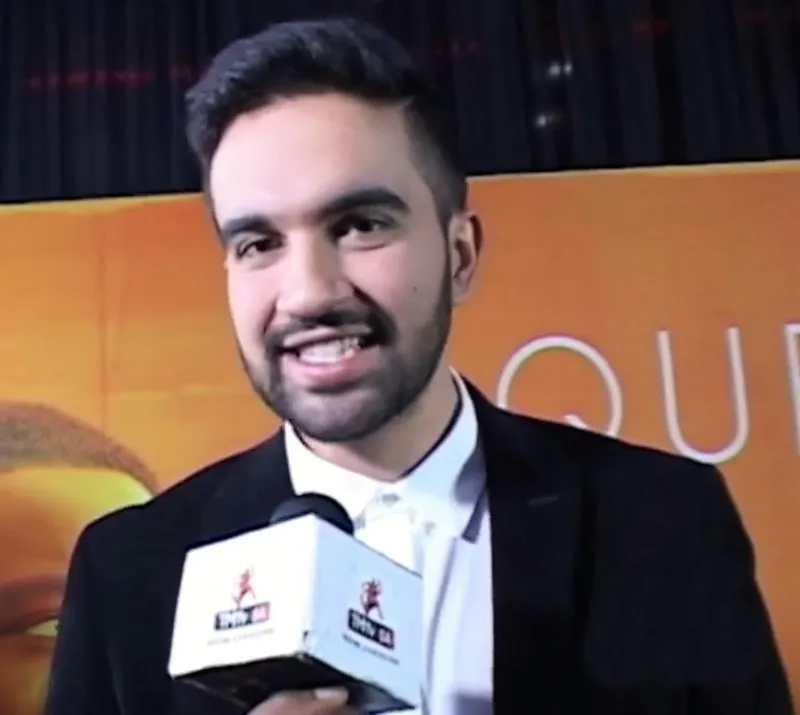
Photo: TMTv South Africa, CC BY 3.0, via Wikimedia Commons
Every neighborhood holds stories that have never been captured on film. The retired schoolteacher who quietly shaped three generations of students. The corner bakery that survived two recessions and a pandemic. The volunteer fire crew that answers calls no one else will. These are the narratives that define a community — and they are precisely the kind of stories Princeton TV was built to tell.
For residents who have always wanted to document the world around them but were unsure where to begin, the barrier to entry has never been lower. Affordable equipment, accessible editing software, and distribution platforms like Princeton TV have placed documentary filmmaking within reach of virtually anyone with curiosity and commitment. What follows is a practical roadmap for producing your first short community documentary, informed by the experiences of local producers who have walked this path before you.
Finding Your Story
The most common mistake first-time documentary makers make is searching too broadly. "People want to cover everything at once," says Marcus Delray, a Princeton-area filmmaker who produced a celebrated short documentary on the history of the borough's community garden program. "The best local documentaries are almost always about one person, one place, or one moment in time. Narrow your focus and the story will open up."
Begin by observing your immediate surroundings. Attend a town council meeting, visit a farmers' market, or simply walk a block you have passed a hundred times without stopping. Speak with neighbors. Local historical societies, libraries, and community boards are also invaluable resources for identifying subjects that carry genuine significance.
Once you have identified a potential subject, ask yourself three questions: Is there a clear arc — a beginning, middle, and end? Is there a central character whose perspective will carry the viewer? And is the story one that only your community could tell? If you can answer yes to all three, you have the foundation of a compelling documentary.
Developing Your Script and Structure
Documentaries are not scripted in the traditional sense, but they are never made without a plan. Before your first interview, draft a treatment — a one- to two-page outline that describes your subject, the key voices you intend to include, the visual elements you hope to capture, and the central question your film will attempt to answer.
Think of your documentary in three acts. The first establishes context: who is the subject, and why does it matter? The second introduces complexity: what tensions, challenges, or surprising details exist beneath the surface? The third offers resolution or reflection: what has changed, or what has been revealed?
Your treatment does not need to be rigid. In fact, the best community documentaries leave room for the unexpected. "I went in thinking the story was about the garden itself," Delray recalls. "It turned out the story was really about the woman who founded it and why she left. You have to stay flexible."
Equipment: What You Actually Need
Professional documentary equipment can cost tens of thousands of dollars. Fortunately, you do not need it. A modern smartphone — particularly models from the last three to four years — is capable of capturing broadcast-quality footage when used correctly. Pair it with a clip-on lavalier microphone (available for under fifty dollars online), a small tripod or gimbal stabilizer, and a portable LED light panel, and you have a functional documentary kit for under two hundred dollars.
If your budget allows, a mirrorless camera in the mid-range price tier will offer greater creative control and a more cinematic look. Princeton Public Library and several local community organizations maintain equipment lending programs that can provide access to cameras, microphones, and lighting kits at no cost to residents.
Regardless of the equipment you use, prioritize audio quality above all else. Viewers will forgive imperfect visuals; they will not tolerate dialogue they cannot understand.
Conducting Interviews That Reveal Character
The interview is the engine of most community documentaries. The goal is not simply to gather information but to capture authentic human expression — the pause before a difficult answer, the unexpected laugh, the detail that no amount of research could have uncovered.
Arrange interviews in locations meaningful to your subject: the workspace where they spend their days, the street corner where a pivotal event occurred, the living room filled with decades of accumulated memory. Avoid sterile, neutral backgrounds whenever possible.
Prepare a list of questions, but treat them as a starting point rather than a script. Listen actively, and follow threads that surprise you. The most revealing moments in documentary interviews almost always arise from unplanned follow-up questions. Ask your subjects to describe specific memories rather than general impressions, and allow silence — many people will fill a quiet pause with something genuinely valuable.
Editing: Shaping the Story You Found
Free and low-cost editing software — including DaVinci Resolve, iMovie, and CapCut — offers capabilities that would have required a professional suite a decade ago. The editing process is where your documentary truly takes shape.
Begin by reviewing all of your footage and marking the moments that feel most alive. Build a rough assembly cut using only those selections, arranged in the order of your three-act structure. Then refine. Cut anything that does not serve the central question of your film. Add archival photographs, local news footage (where rights permit), natural sound from your locations, and music that supports rather than overwhelms the emotional tone.
Aim for a finished length of twelve to twenty-five minutes for a first documentary. Shorter films are more likely to be watched in full, shared widely, and considered for programming by platforms like Princeton TV.
Distribution: Getting Your Work Seen
Completion is only half the journey. Princeton TV actively welcomes submissions from community producers and provides a platform specifically designed to connect local stories with local audiences. Submitting your finished documentary to Princeton TV places your work in front of viewers who are already invested in the people and places you have documented.
Beyond Princeton TV, consider screening your documentary at a community center, library, or local event before its wider release. A live premiere creates conversation, builds an audience, and often surfaces additional stories worth telling. Social media, local press, and community newsletters can extend your reach further still.
"The first time I saw someone watching my documentary on a screen that wasn't mine, it changed everything," Delray says. "That's what community media is for. It closes the distance between the person telling the story and the person who needed to hear it."
Your story is out there. Princeton TV is ready when you are.