First Reps on Camera: Inside Princeton TV's Pipeline to the Professional Newsroom
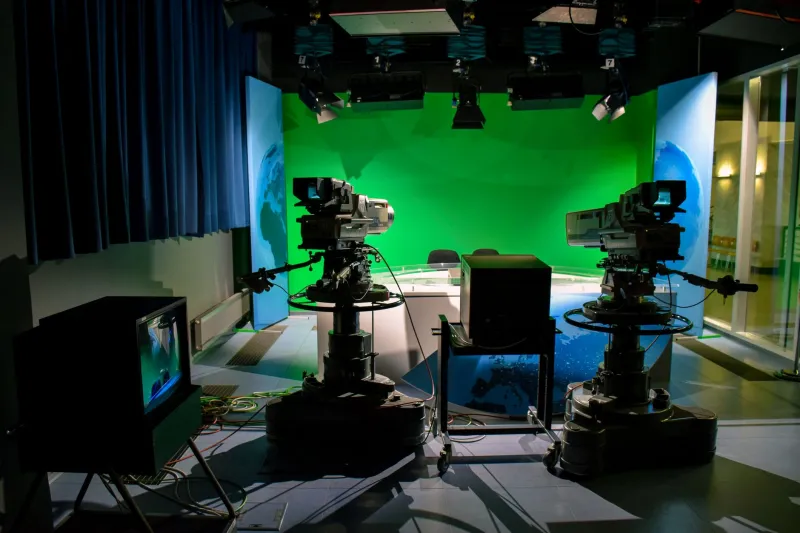
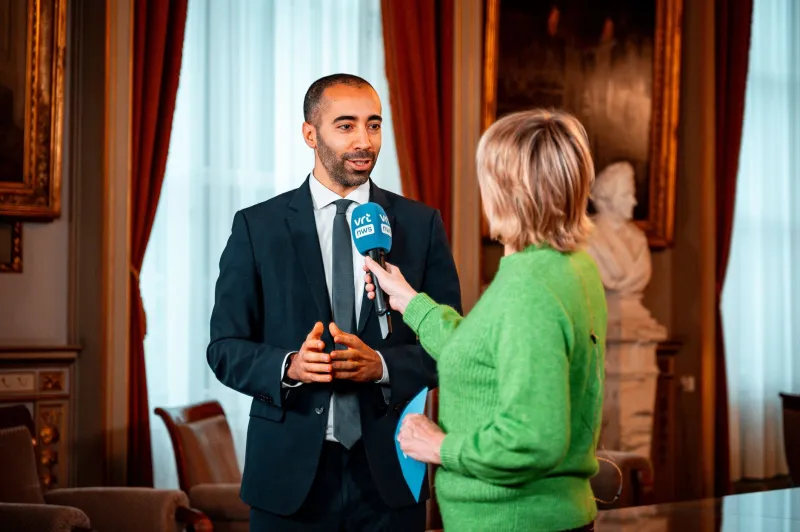
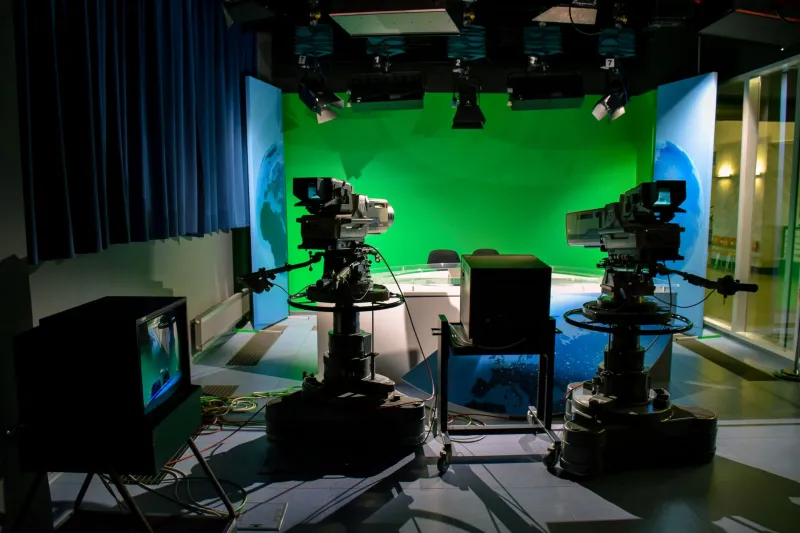
Long before their names appeared beneath network chyrons, many of today's regional and national journalists cut their teeth in Princeton TV's studios. The station's mentorship infrastructure has quietly become one of the most consequential career launchpads in community media, offering aspiring professionals something no university syllabus can fully replicate: the unscripted pressure of live, local broadcast.
The Value of the First Real Mistake
There is a particular kind of education that only arrives when the red light is on and something goes wrong. A teleprompter stalls. A guest arrives late. A live remote feed drops without warning. In those moments, no classroom preparation is sufficient — only experience carries a person through.
This is precisely the environment that Princeton TV has cultivated over the years, intentionally or otherwise. What began as a community access channel serving local programming needs gradually evolved into something more layered: a working newsroom where emerging journalists learn not just the craft of reporting, but the temperament required to sustain a career in media.
"The first time I had to fill thirty seconds of dead air because a segment wasn't ready, I understood something about broadcasting that I couldn't have learned any other way," said one former intern who now produces evening news segments for a Philadelphia-area affiliate. "You either adapt or you freeze. Princeton TV taught me to adapt."
Structure Behind the Mentorship
The station's approach to developing young talent is neither accidental nor informal. Princeton TV maintains a structured internship program that runs across multiple production disciplines — on-air reporting, camera operation, editing, segment producing, and station management. Participants are paired with experienced staff members who serve as direct supervisors and, more importantly, as professional mentors willing to offer candid assessments of performance.
This dual role — supervisor and mentor — is central to what distinguishes the program from more passive internship arrangements. Rather than assigning interns to administrative tasks or peripheral duties, Princeton TV integrates them into the actual production workflow from early in their tenure.
"We don't believe in observation-only internships," said one senior producer at the station. "If someone is here to learn broadcast journalism, they need to be in the room where editorial decisions are made, not watching from the hallway. That means they'll make errors. That's the point."
The program draws participants from nearby colleges and universities, as well as recent graduates exploring careers in media. Applicants are evaluated not only on their academic credentials but on their demonstrated interest in community-focused storytelling — a prerequisite that reflects the station's broader editorial values.
Local Stories as the Training Ground
One of the more underappreciated aspects of community television as a training environment is the diversity of subject matter it demands. A journalist at Princeton TV might cover a school board funding dispute one week, a local arts organization's anniversary celebration the next, and a neighborhood infrastructure concern the week after that. This range is not incidental — it is, for many alumni of the program, the feature they credit most when reflecting on their professional development.
"National media often has very defined beats," noted a former Princeton TV intern who now reports for a New Jersey-based digital news outlet. "At the community level, you have to be conversant in everything. Zoning regulations, public health, local history, cultural events — you can't specialize your way through it. That breadth made me a more adaptable journalist."
The station's editorial commitment to neutral, community-centered reporting also instills habits of mind that alumni describe as foundational. Learning to cover neighbors — people who may recognize you at the grocery store or attend the same community events — requires a particular discipline of fairness and accuracy that abstract journalistic principles alone cannot teach.
Alumni Pathways: From Princeton to the Broader Market
The professional trajectories of Princeton TV alumni reflect the program's reach beyond the immediate community. Former participants have gone on to positions at network affiliates across the mid-Atlantic region, national cable news organizations, documentary production companies, and digital media outlets with national readership. Several have moved into broadcast management roles, bringing with them an operational fluency shaped in part by their early exposure to the full production cycle at a community station.
What connects these varied careers is a common point of origin: a local studio where the stakes were real, the audiences were neighbors, and the margin for error was treated not as a failure condition but as a learning opportunity.
"I think what Princeton TV gave me, more than any specific skill, was a sense of responsibility to the audience," said one alumna now working in documentary journalism. "Community television makes that relationship very concrete. You're not broadcasting to an abstraction. You're broadcasting to people you know, people who depend on you to get it right."
An Industry Skeptical of Traditional Pathways
The broader media landscape has grown increasingly complex for those seeking entry-level positions. Consolidation among regional broadcasters, the contraction of local newsrooms, and the proliferation of digital-first platforms have collectively disrupted the traditional pathways through which journalists once built careers. Internships at major metropolitan stations, once a reliable stepping stone, have become intensely competitive. Graduate journalism programs, while valuable, do not guarantee the practical exposure that employers consistently identify as a differentiating factor in hiring decisions.
In this environment, community television stations like Princeton TV occupy an increasingly significant role. They offer something that larger organizations, precisely because of their scale and specialization, often cannot: the opportunity to be genuinely responsible for real editorial output from an early stage in one's career.
Industry observers who track entry-level hiring in regional broadcast markets have noted a growing appreciation among news directors for candidates who demonstrate experience at community stations. The reasoning is straightforward — such candidates arrive already acquainted with the full arc of production, from story identification through broadcast, and have demonstrated the capacity to function under the specific pressures of live local media.
Building the Next Generation of Princeton's Media Voice
For the station itself, the mentorship program represents something beyond workforce development. It is, in a meaningful sense, an investment in the future of community journalism as a practice. Every intern who passes through Princeton TV's editorial process and goes on to a professional career carries with them an understanding of what local media can accomplish when it is done with care and intention.
The station's leadership has expressed a long-term commitment to expanding the program's capacity, including exploring partnerships with area educational institutions to formalize pathways for students seeking structured broadcast experience alongside their academic coursework.
What remains constant, regardless of how the program evolves, is its foundational premise: that the best preparation for a career in journalism is the experience of doing journalism — under real conditions, for a real audience, in the community where it all begins.